DySHARP: Accelerating MoE with Dynamic In-Switch Computing on Multi-GPUs
Mixture-of-Experts (MoE) 已被 DeepSeek、GPT、Llama、Qwen 等主流大模型采用,以降低计算开销。然而,MoE 中的 Expert Parallelism (EP) 需要频繁的 GPU 间通信(Dispatch 和 Combine),这成为性能瓶颈——通...
DySHARP: Accelerating MoE with Dynamic In-Switch Computing on Multi-GPUs
一、论文概述
| 项目 | 内容 |
|---|---|
| 标题 | Accelerating MoE with Dynamic In-Switch Computing on Multi-GPUs |
| 作者 | Qijun Zhang, Chen Zhang, Zhuoshan Zhou, Haibo Wang, Zhe Zhou, Zhipeng Tu, Guangyu Sun, Zhiyao Xie, Yijia Diao, Zhigang Ji, Jingwen Leng, Guanghui He, Minyi Guo |
| 机构 | - |
| 论文 | https://arxiv.org/abs/2605.05607 |
| 代码 | - |
| 发布 | 2026-05-07 |
| 会议 | ISCA 2026 |
| 领域 | cs.AR (Hardware Architecture), cs.DC (Distributed Computing) |
二、核心思想
问题定义
Mixture-of-Experts (MoE) 已被 DeepSeek、GPT、Llama、Qwen 等主流大模型采用,以降低计算开销。然而,MoE 中的 Expert Parallelism (EP) 需要频繁的 GPU 间通信(Dispatch 和 Combine),这成为性能瓶颈——通信消耗 MoE 层执行时间的 50-80%。
关键观察:MoE 通信中存在大量的 冗余数据传输:
- Dispatch 冗余:同一个 token 需要发送到多个 GPU 时,相同数据从源 GPU 到 switch 被传输多次
- Combine 冗余:多个 GPU 的可聚合输出被单独传回源 GPU
在模拟的 GH200 NVL32 上,DeepSeek-V3 的通信冗余占总流量的近 50%。
解决方案概述
DySHARP 提出了一个完整的 动态 in-switch computing 解决方案,包含两个核心技术:
-
Dynamic Multimem Addressing:扩展 NVLink SHARP (NVLS) 支持动态通信,通过 ISA、架构和运行时的协同设计,减少冗余流量
-
Token-Centric Kernel Fusion:深度融合 Dispatch-Computation-Combine 流水线,解决流量减少的非对称性问题,将流量减少转化为实际加速
三、技术架构
整体框架图
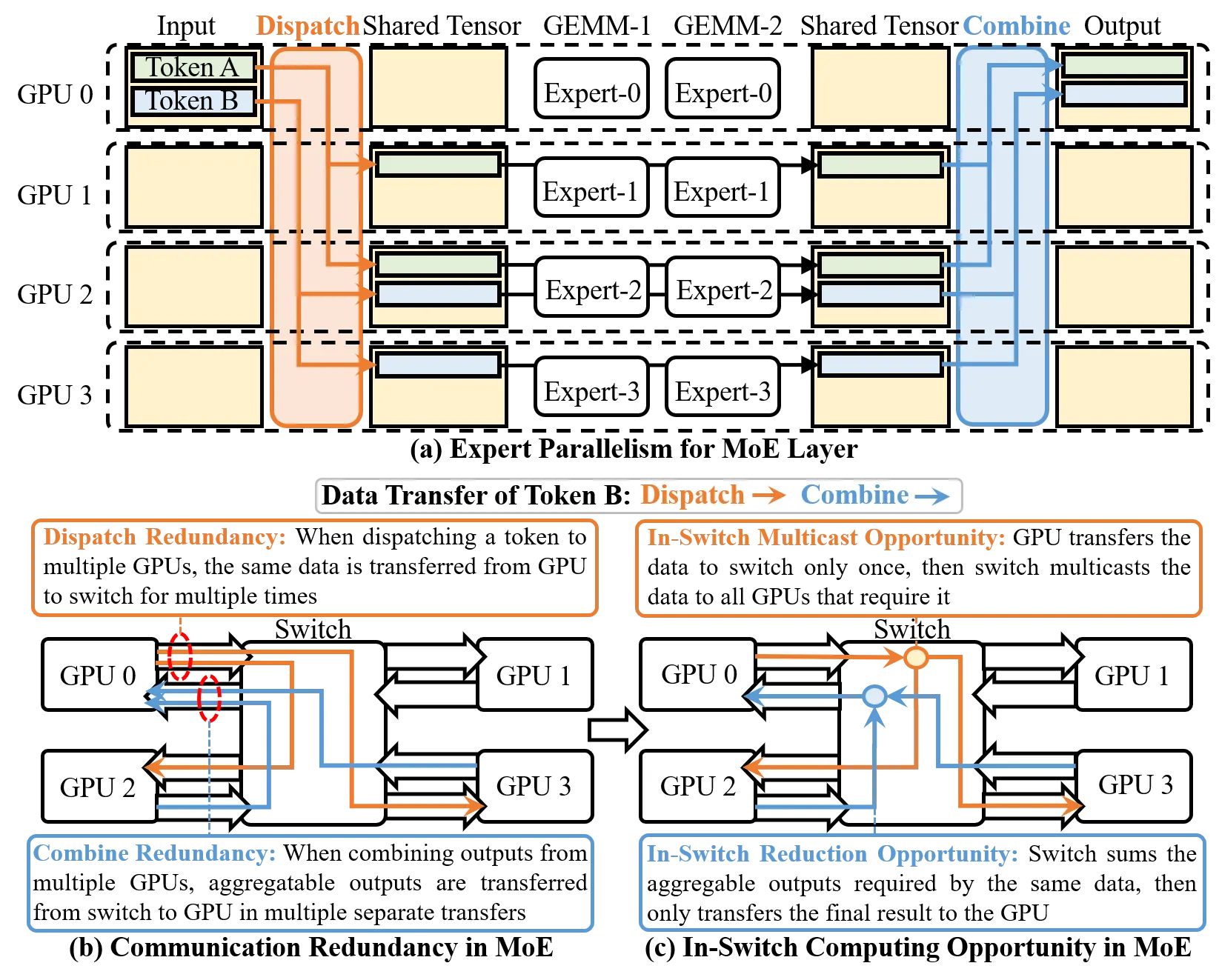
Figure 1: In-switch computing opportunity in MoE. MoE has significant redundant transfer that can be potentially addressed with in-switch computing.
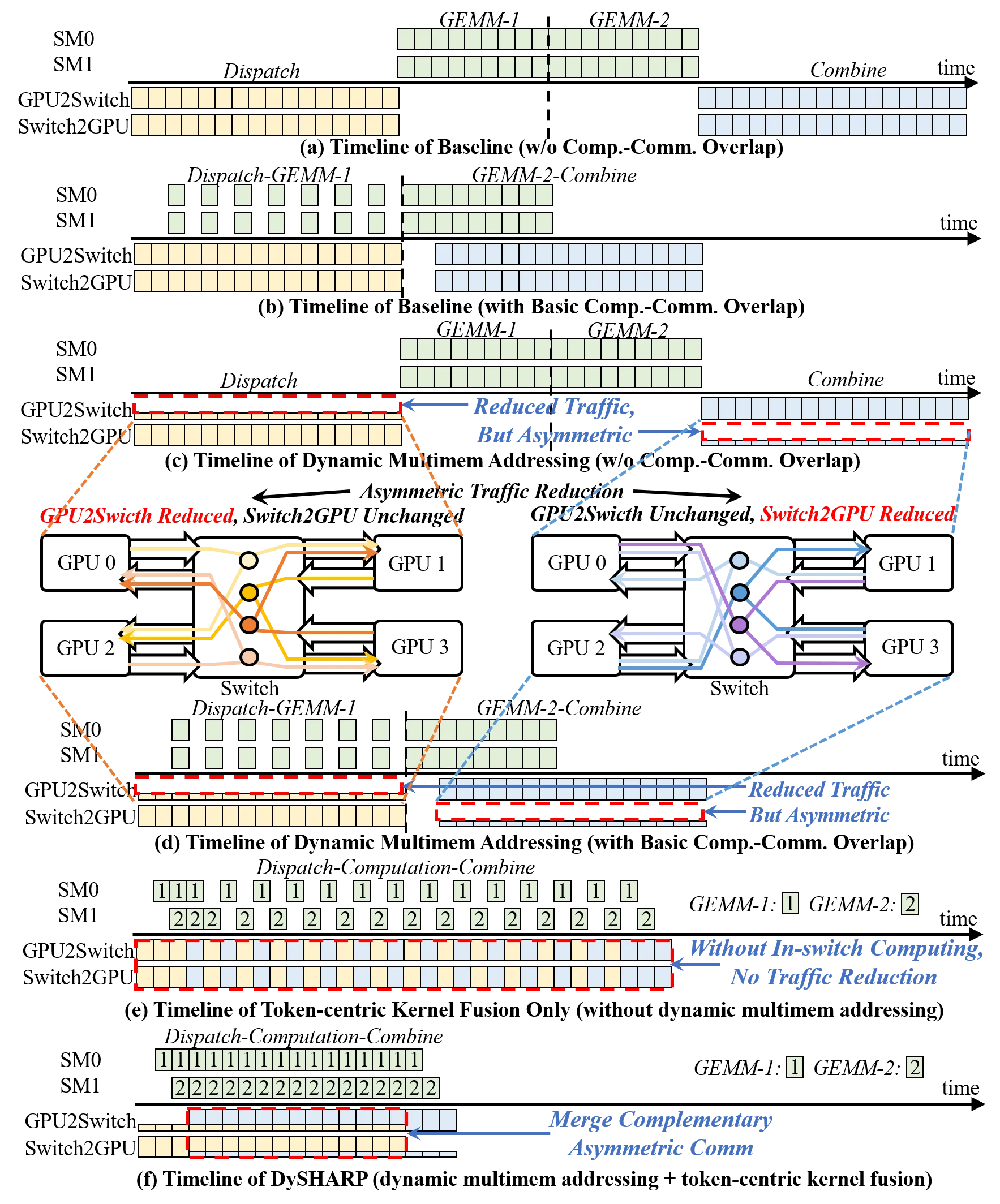
Figure 4: How the two techniques work as an integral solution. Dynamic multimem addressing reduces traffic but inherently asymmetric between two directions. Token-centric kernel fusion merges complementary asymmetric communication patterns.
核心技术 1:Dynamic Multimem Addressing
Key Idea
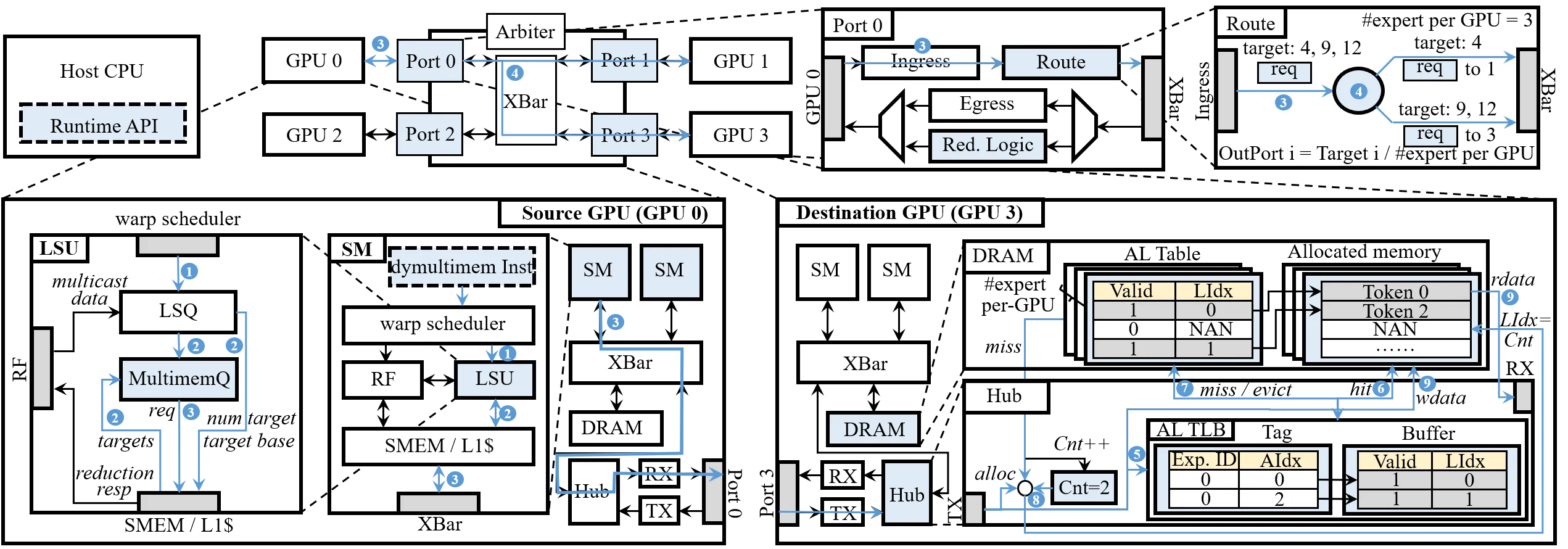
Figure 9: Detailed architectural design and workflow of the dynamic multimem addressing framework.
问题:现有 NVLS 只支持静态集合通信(如 AllGather、Reduce-Scatter),无法支持 MoE 中的动态不规则通信。
核心洞察:Dispatch 和 Combine 是 AllGather 和 Reduce-Scatter 的动态变体,具有两个关键性质:
- 代数索引跨 GPU 一致:每个 token 在结果张量中的索引位置在所有 GPU 上相同
- 内存布局 per-GPU 管理且非对称:只有部分 GPU 接收给定 token
方案对比:
| 方案 | Payload 效率 | 软件开销 |
|---|---|---|
| Explicit Addressing | 低(69% vs 理想 80%) | 高(10-20% GPU 计算资源) |
| Dynamic Multimem Addressing | 高(接近理想) | 无 |
设计要点:
- Packet Format Extension:扩展现有 NVLink 数据链路层包格式
- ISA Extension:新增
dymultimem.st(动态 multicast)和dymultimem.ld_reduce(动态 reduction)指令 - Microarchitecture Extension:包括 Address Lookup TLB (AL-TLB)、Reduction Buffer 等硬件组件
- Runtime Extension:扩展 CUDA Runtime API 支持动态 multimem 操作
Packet Format
扩展 NVLink 包格式,支持动态目标标识:
- 新增 dynamic multimem 请求类型
- 支持 algebraic index 到物理地址的动态映射
ISA Extension
dymultimem.st [addr], data    // 动态 multicast store
dymultimem.ld_reduce [addr]   // 动态 load with reduction
基于现有 multimem 指令扩展,保持指令格式兼容性。
Microarchitecture
关键硬件组件:
- Source GPU:处理动态 multimem 请求的发起
- NVSwitch:执行 in-switch multicast 和 reduction
- AL-TLB (Address Lookup TLB):将 algebraic index 映射到物理地址
- Reduction Buffer:在 switch 中缓存待聚合数据
- Hardware Memory Manager:管理 Dispatch 和 Combine 的内存操作
Runtime
扩展 CUDA Runtime API:
// 动态 multimem store
cudaDymultimemStore(addr, data, size, target_mask);
// 动态 multimem load with reduction
cudaDymultimemLoadReduce(addr, result, size, op);
核心技术 2:Token-Centric Kernel Fusion
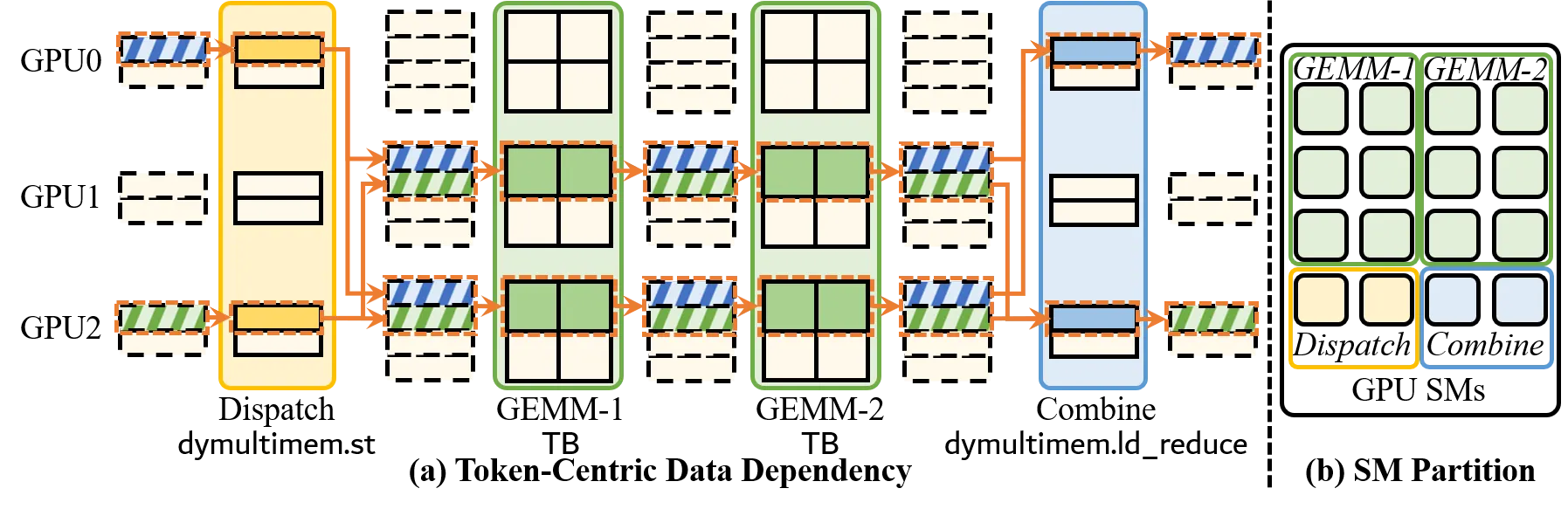
Figure 12: (a) Token-centric data dependency chain across Dispatch, GEMM-1, GEMM-2, and Combine. (b) SM partition for pipelined execution.
Key Idea
问题:Dynamic multimem addressing 减少了流量,但流量减少在两个方向上是非对称的(GPU→switch 减少 vs switch→GPU 减少),不能直接转化为加速。
解决方案:将 MoE 层视为 token-paced pipeline,而非四个隔离的算子:
- 以 token/tile 粒度确定就绪状态
- 在 token 级依赖可用时立即执行操作,无需等待算子级完成
- 同时执行 Dispatch 和 Combine,合并互补的非对称通信模式
Token Tracker
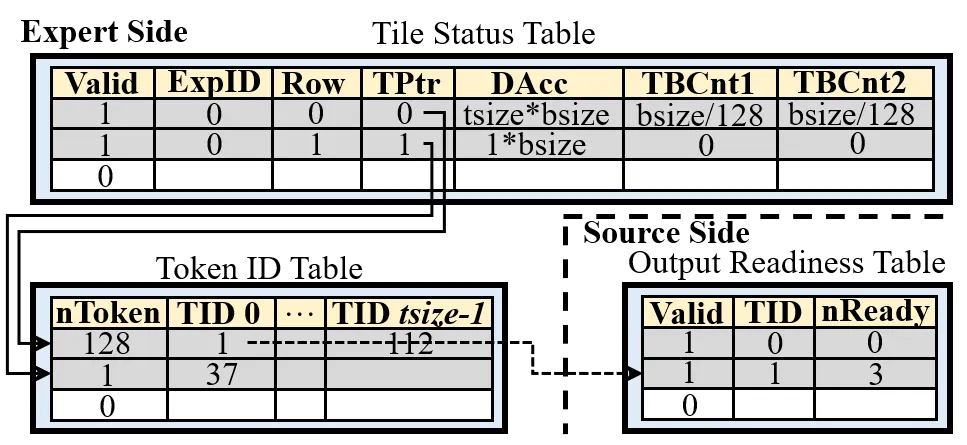
Figure 13: Architecture design of token tracker.
Token Tracker 用于检测 就绪边界:
- 引入 Tile Status Table 跟踪 Dispatch→GEMM 的 token 级依赖
- 当一个 tile 的 token 从 Dispatch 就绪时,立即触发 GEMM 计算
- 细粒度跟踪实现 Dispatch 和 Combine 的并行执行
Token-Centric Scheduler
- SM 分区:将 GPU SM 分为两组,一组执行 Dispatch 相关计算,另一组执行 Combine 相关计算
- 流水线执行:整个 Dispatch-Computation-Combine 流程以 tile 为单位流水线化
- 同步粒度:选择 128 tokens 作为同步 tile size,匹配 GEMM tile size
核心公式
通信冗余量化
在 DeepSeek-V3 上,激活 expert 数 ≥ 8 时,冗余数据传输占总流量的近 50%。
性能提升
DySHARP 相比 SOTA 方案实现高达 1.79× 加速。
模型组件
| 组件 | 说明 | 关键参数 |
|---|---|---|
| Dynamic Multimem Addressing | 扩展 NVLS 支持动态通信 | ISA + 架构 + 运行时 |
| AL-TLB | 地址查找 TLB,映射 algebraic index 到物理地址 | 可配置大小 |
| Reduction Buffer | Switch 中的聚合缓冲区 | 可配置大小 |
| Token Tracker | 跟踪 token 级依赖 | Tile Status Table |
| Token-Centric Scheduler | 细粒度调度器 | SM 分区 + 流水线 |
训练流程
DySHARP 本身不是训练算法,而是 MoE 执行的硬件/系统优化。它加速 MoE 的 Dispatch-Computation-Combine 流水线,适用于训练和推理场景。
四、核心创新
| 创新点 | 说明 | 理论/实验依据 |
|---|---|---|
| Dynamic Multimem Addressing | 首次支持动态 in-switch computing,扩展 NVLS | 比 explicit addressing payload 效率更高,无软件开销 |
| Token-Centric Kernel Fusion | 细粒度融合 Dispatch-Computation-Combine | 解决流量减少的非对称性问题 |
| 完整软硬件协同设计 | ISA + 架构 + 运行时 + 调度的全栈方案 | 两个技术缺一不可,单独使用效果有限 |
| 互补非对称通信合并 | 同时执行 Dispatch 和 Combine,合并互补模式 | 将流量减少转化为实际加速 |
五、代码实现分析
论文未公开代码,但详细描述了硬件和软件设计:
- ISA 扩展:新增
dymultimem.st和dymultimem.ld_reduce指令 - 微架构:AL-TLB、Reduction Buffer、Hardware Memory Manager
- 运行时:扩展 CUDA Runtime API
六、实验结果
End-to-End 训练加速
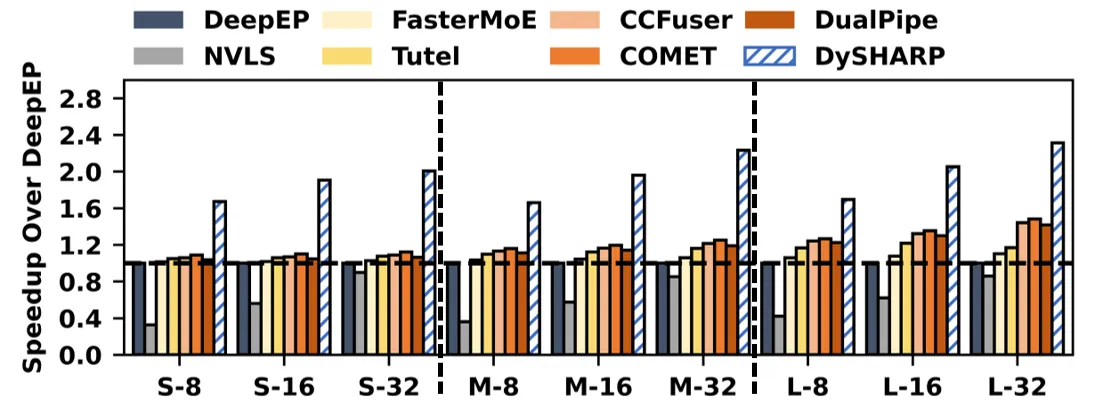
Figure 14: End-to-end model training speedup across different configurations.
| 基线 | 最大加速 | 几何平均加速 |
|---|---|---|
| DeepEP | 2.31× | 1.93× |
| NVLS | 5.12× | 3.38× |
| FasterMoE | 2.11× | 1.84× |
| Tutel | 1.98× | 1.72× |
| CCFuser | 1.85× | 1.63× |
| COMET | 1.79× | 1.59× |
| DualPipe | 1.88× | 1.66× |
MoE 层加速
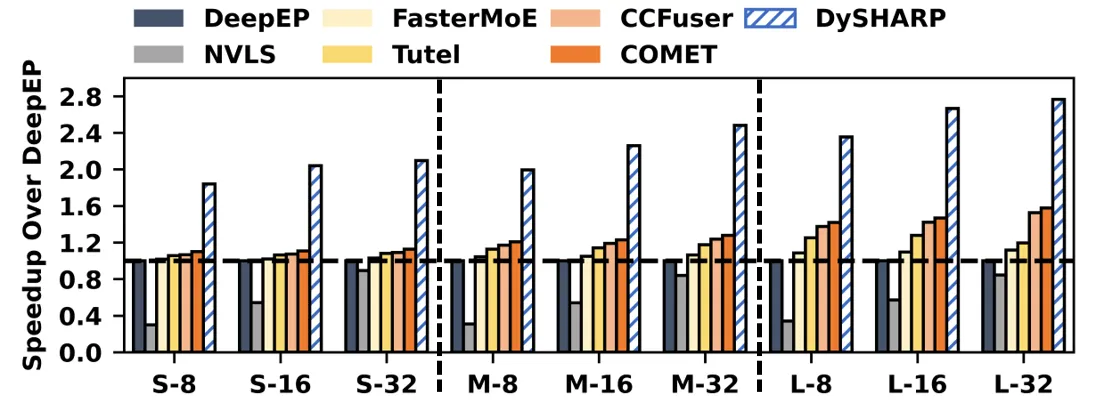
Figure 15: MoE layer speedup across different model configurations.
| 基线 | 最大加速 | 几何平均加速 |
|---|---|---|
| DeepEP | 2.77× | 2.26× |
| NVLS | 6.93× | 4.25× |
| FasterMoE | 2.48× | 2.14× |
| Tutel | 2.32× | 1.96× |
| CCFuser | 2.01× | 1.84× |
| COMET | 1.94× | 1.78× |
消融实验
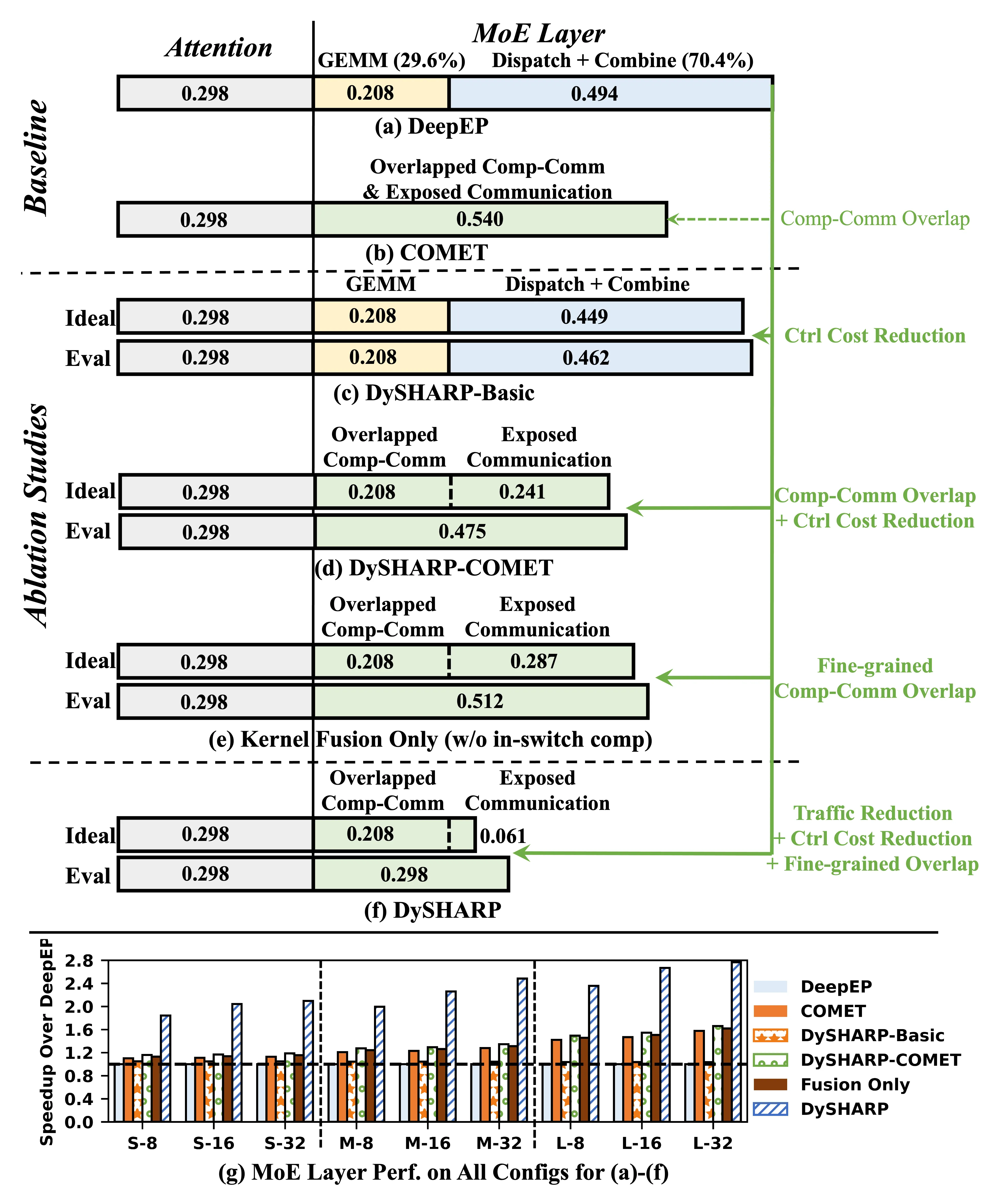
Figure 16: Quantitative time breakdown (normalized to DeepEP) and ablation studies on official DeepSeek-V3 configuration (L-8), validating Fig. 4 (a)-(f).
关键发现:
- DySHARP-Basic(仅 dynamic multimem addressing):减少流量但不能转化为加速
- DySHARP-COMET(dynamic multimem addressing + 基本 overlap):效果有限
- DySHARP(两个技术结合):将流量减少转化为实际加速
- Token-centric kernel fusion 单独使用(无 in-switch computing)不能超越 SOTA 基线
推理加速
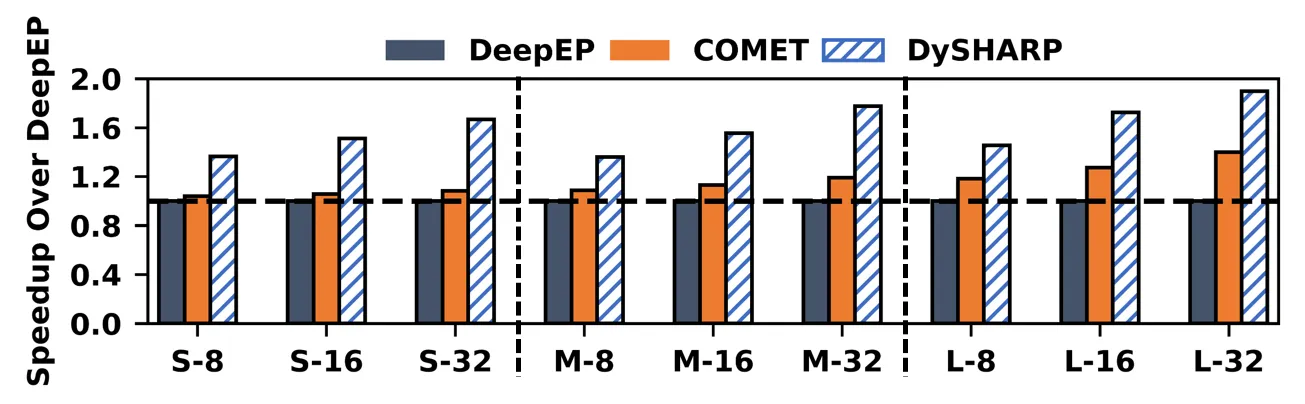
Figure 27: End-to-end speedup for inference.
DySHARP 在推理场景(prefill + decode)同样有效:
- Prefill:通信密集型,受益于流量减少
- Decode:内存密集型,但延迟敏感,受益于细粒度同步和减少的软件控制开销
敏感性分析
- GPU 数量:随 GPU 数量增加,DySHARP 优势更明显
- 序列长度:在不同序列长度下均有效
- Token 分布:对不同 token 分布具有鲁棒性
- Tile Size:128 tokens 是最优同步粒度(匹配 GEMM tile size)
硬件开销
- AL-TLB 和 Reduction Buffer 的面积和功耗开销较小
- 设计空间探索表明可配置参数有较宽的有效范围
七、相关工作
In-Switch Computing
- NVLS (NVLink SHARP):现有方案,仅支持静态集合通信
- CAIS:针对 chip-to-chip 互连,仅支持静态集合
- TRACI:针对 DLRM,不支持 MoE 动态通信
- DySHARP:首次支持动态 in-switch computing
MoE 通信优化
- 优化库:DeepEP、Tutel 等
- 层次通信:分层 AllToAll 优化
- 计算-通信重叠:FasterMoE、COMET、CCFuser、DualPipe
- DySHARP 的区别:从根源消除冗余传输,而非仅重叠或优化
八、总结
核心贡献
- 首次实现动态 in-switch computing:扩展 NVLS 支持 MoE 中的不规则动态通信
- Dynamic Multimem Addressing:ISA + 架构 + 运行时的协同设计,实现高效动态 multicast/reduction
- Token-Centric Kernel Fusion:细粒度融合 Dispatch-Computation-Combine,解决流量减少的非对称性
- 完整软硬件协同方案:两个技术缺一不可,共同实现高达 1.79× 加速
技术影响
- MoE 训练加速:直接加速 DeepSeek、GPT、Llama、Qwen 等主流 MoE 模型
- 硬件设计启示:为下一代 GPU/NVSwitch 的 in-switch computing 提供设计参考
- 系统-硬件协同:展示了 ISA、架构、运行时协同优化的重要性
局限性
- 硬件依赖:需要 NVSwitch 硬件支持,当前 GPU 无法直接使用
- 扩展性:多节点扩展需要 InfiniBand Switch 的配合
- 模型适用性:主要针对 MoE 架构,对 Dense 模型无直接收益
九、参考资源
- 论文: https://arxiv.org/abs/2605.05607
- 会议: ISCA 2026
- 相关工作: NVLink SHARP (NVLS), DeepEP, COMET, FasterMoE, Tutel, CCFuser, DualPipe